Nobody in the building had time to check the price.
It didn't make sense to have a full time scrap hire. As a result, the manufacturer was being paid a number that had never been tested.
One offer, treated as the market.
The arrangement was a hauler rebate: a single buyer, a single rate, renewed by default. It had gone unchallenged for six years. That isn't unusual, scrap sits between operations and finance, owned by neither, and a rebate that arrives on schedule doesn't generate the kind of question that produces a review.
What made it durable was the absence of a comparison. Scrap prices move daily by alloy, by geography, and by chemistry. Without visibility into all three, one buyer's offer isn't a data point you can evaluate. It's just the number.
Mixed drops priced at the lowest common grade.
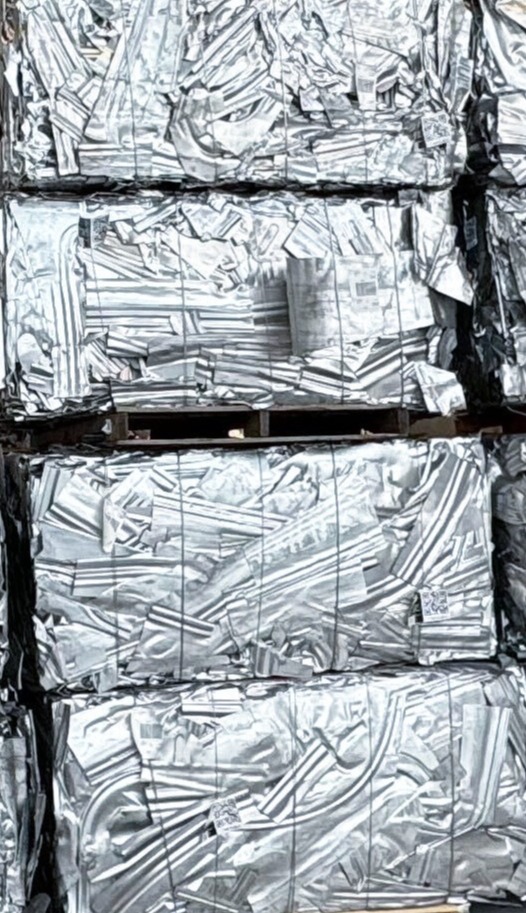
The plant's aluminum came off the line as mixed-alloy drops. Sold that way, the whole volume prices to its least valuable component — the buyer isn't paying for what's in the mix, they're paying for what they'd have to assume about it.
The material was consistently better than the price it commanded. Nothing about it was hidden. It simply wasn't characterized, and uncharacterized material gets valued conservatively by whoever is buying it.
What the arrangement cost
A single buyer relationship with no benchmark to test it against
Mixed-alloy material priced at its lowest common grade rather than its actual content
Revenue reported as one monthly figure, with no tonnage or alloy detail behind it
No visibility into what the same material was worth in other markets
Logistics complexity as the practical barrier to selling anywhere further afield