You're trusting invoices.
A vendor confirms destruction happened. Nothing independently establishes that it did. If someone asks you to prove it (an auditor, counsel, a customer) you have paperwork, not evidence.
Outlast consolidates destruction across every region into one program, verifies every unit with AI-checked photographic proof, and produces the audit trail on demand. The service pays for itself with recovered vaue.
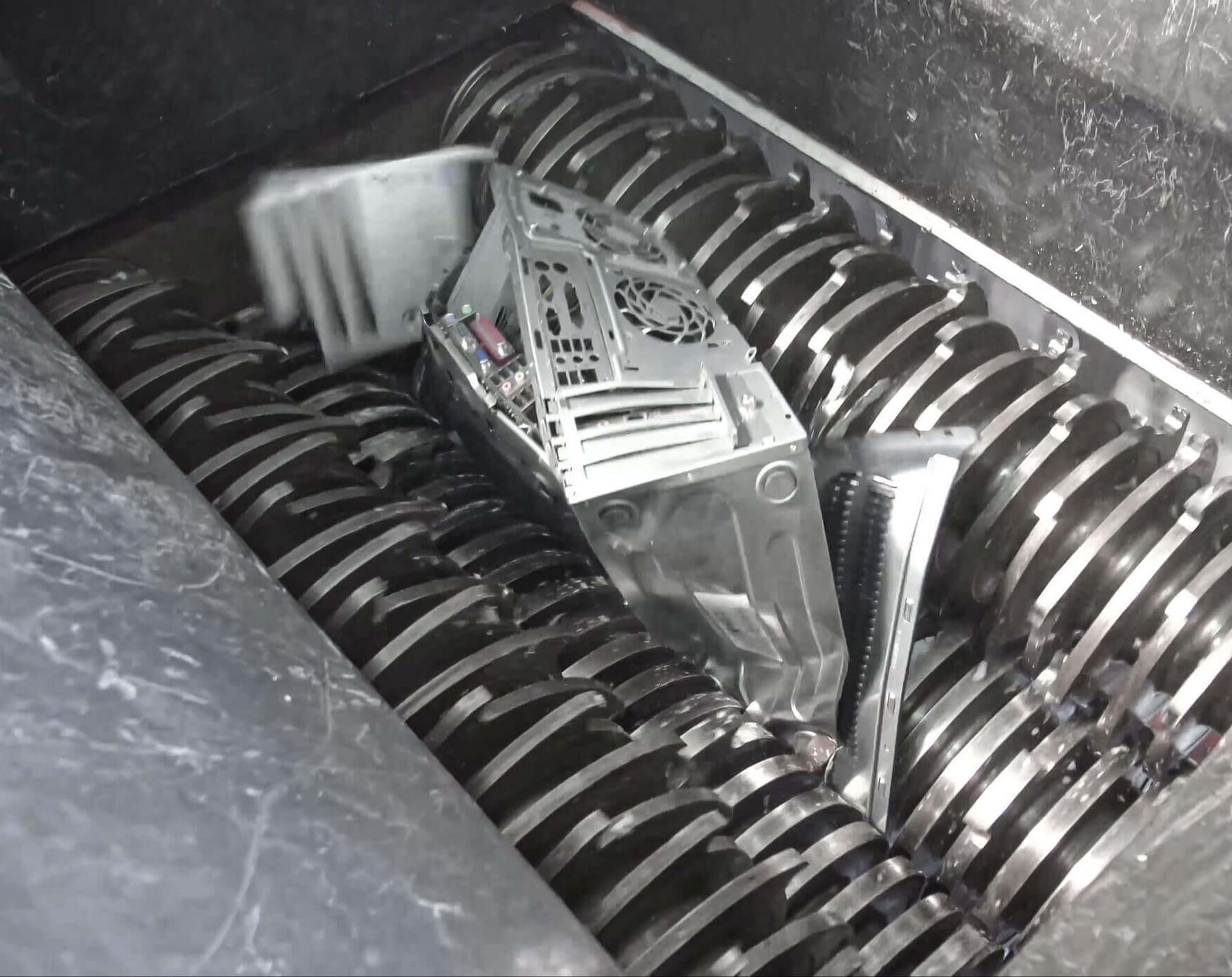
A vendor confirms destruction happened. Nothing independently establishes that it did. If someone asks you to prove it (an auditor, counsel, a customer) you have paperwork, not evidence.
Dozens of regional relationships, each with its own process, its own documentation, and its own failure mode. No verification system spans them, so the program can't be assessed as a whole.
The disposal channel is a pure cost center, and an unverified one. Material with real residual value is paid to be buried.
how it works
One point of contact replaces the regional vendor patchwork. Same process in every location, whatever the geography.
Every unit is photographed, and image recognition validates the evidence of destruction automatically, at volume, rather than by spot-checking a vendor's paperwork.
Custom reporting puts audit-ready status across the whole program on demand, instead of assembled after the fact when someone asks for it.
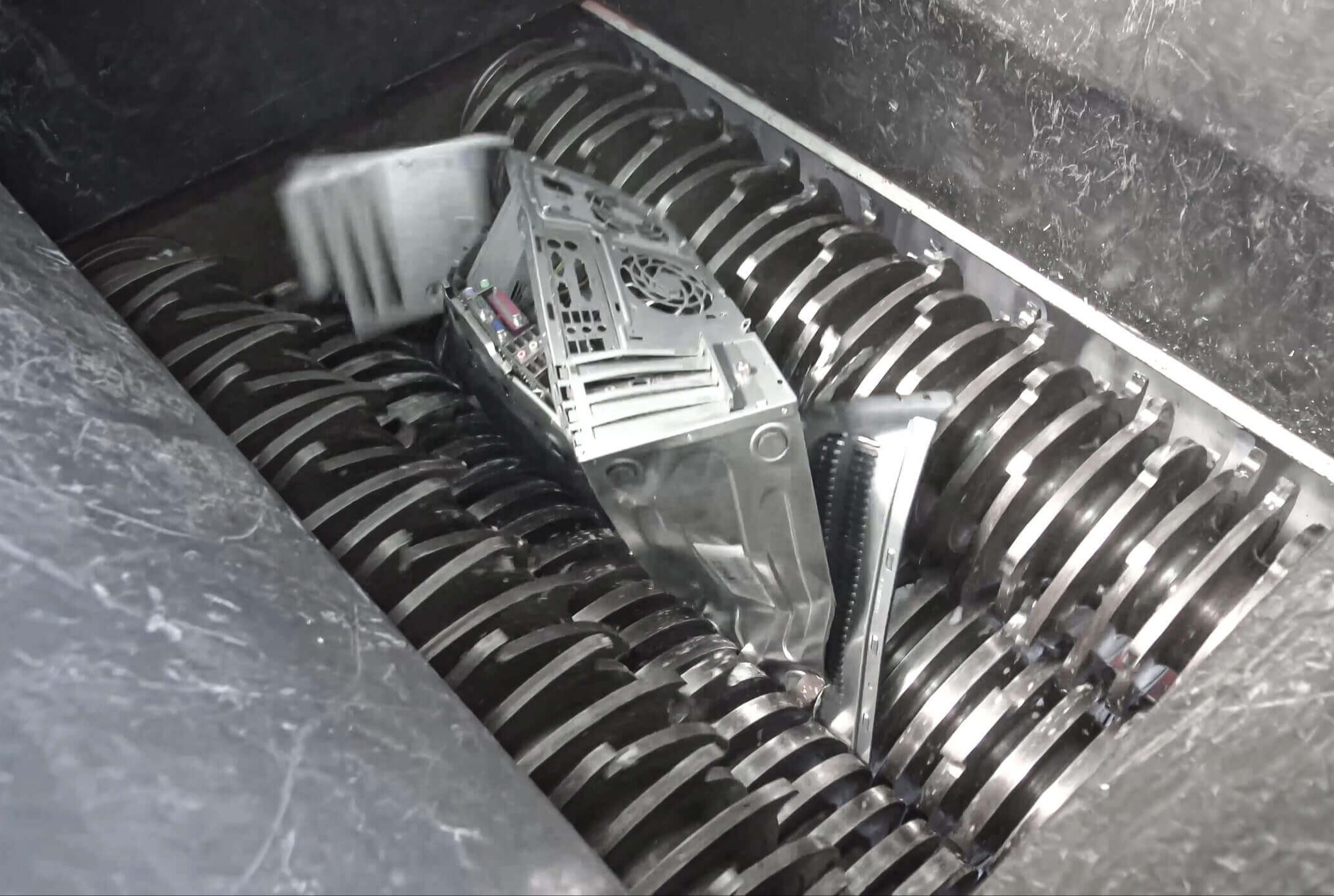
The OEM was managing dozens of regional destruction vendors across the US for high-value, IP-sensitive end-of-life equipment, with no scalable verification system or auditable proof that destruction had actually been completed.
Auditable proof of destruction, on demand, for every unit.
Chain-of-custody documentation generated as material moves, exportable for audit.
One program across every geography in place of a regional vendor patchwork.
End-of-life equipment removed, destroyed, and documented.