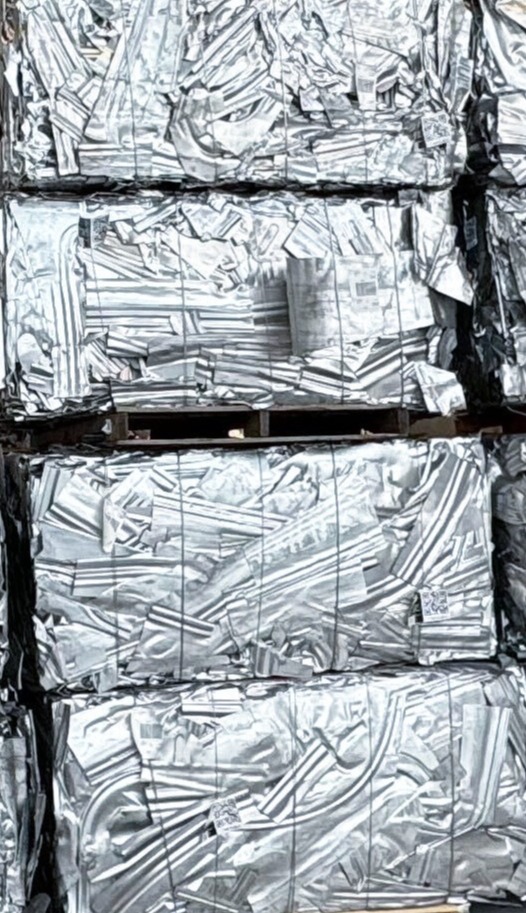
Certificates are not evidence.
The OEM needed photographic proof that independently established a specific unit had actually been destroyed, rather than a vendor's assurance that a batch had been handled.
The distinction is invisible until somebody asks for proof. Then it's the only thing that matters.
Fifteen-plus vendors, fifteen-plus processes.
Destruction was handled regionally, through more than fifteen separate vendor relationships. Each had its own intake process, its own documentation format, and its own failure mode. No verification system spanned them, which meant the program couldn't be evaluated as a program, only vendor by vendor, after the fact.
Consolidation had been considered before. The obstacle was that replacing fifteen vendors with one only helps if the one can operate everywhere the fifteen did, to a standard none of them were meeting.
Proof that existed only on paper.
For high-value, IP-sensitive equipment, the risk isn't disposal cost. It's proprietary technology surviving a process nobody verified and reaching a secondary market, a competitor, or a teardown. A certificate says destruction occurred. It doesn't demonstrate it, and it can't be traced back to a specific serial number when counsel or an auditor asks about one.
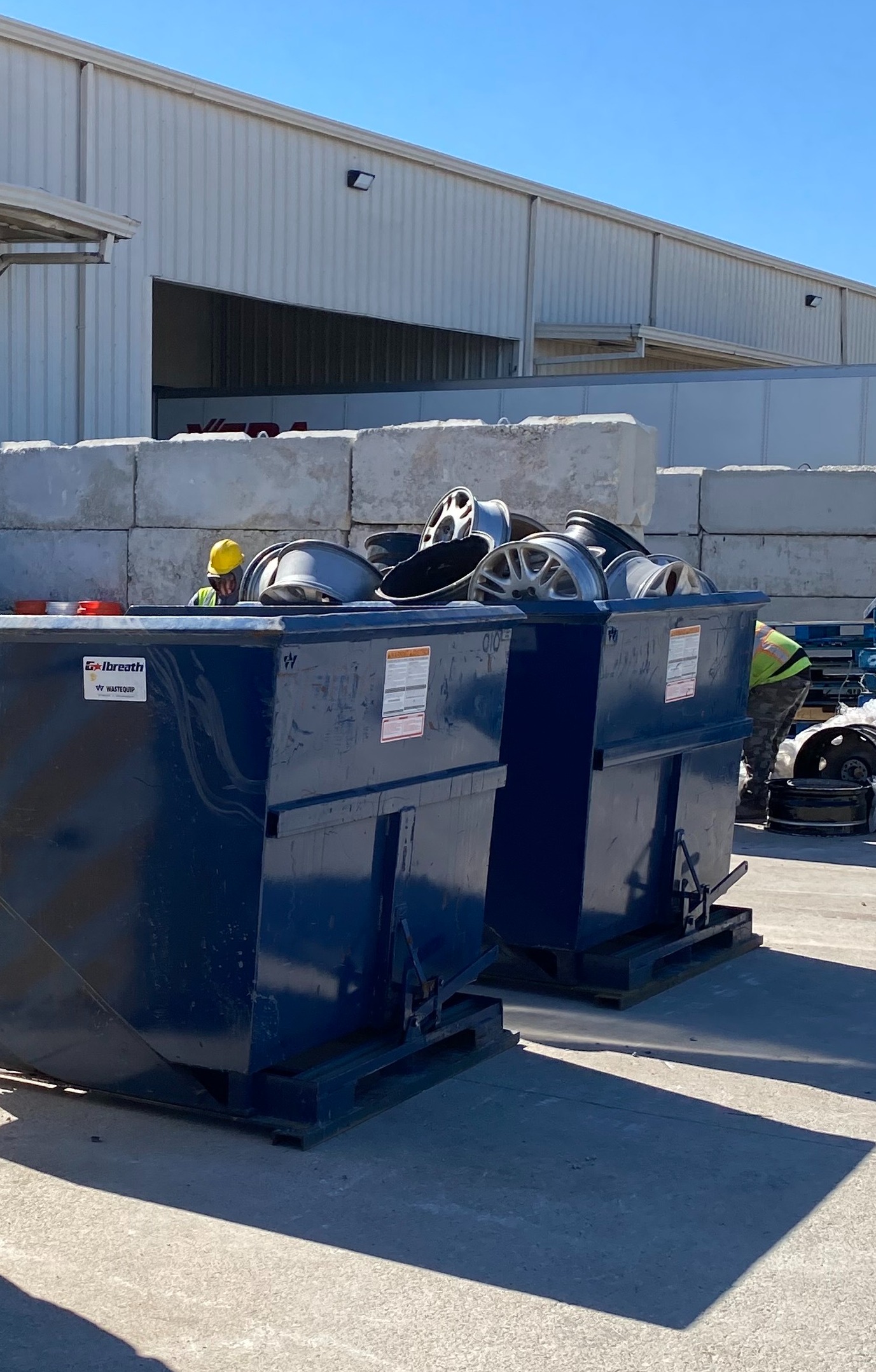
Meanwhile the disposal channel was generating nothing. Recoverable material was being landfilled, so the program carried cost on both ends: paying to dispose, and forgoing the value of what was disposed.
What was actually at risk:
Proprietary technology potentially surviving a destruction process with no independent verification
No auditable trail from a specific unit at pickup to its destruction
Fifteen-plus regional vendors operating to fifteen-plus different standards
Program status assessable only retrospectively, vendor by vendor
Recoverable material landfilled at cost rather than routed into commodity streams